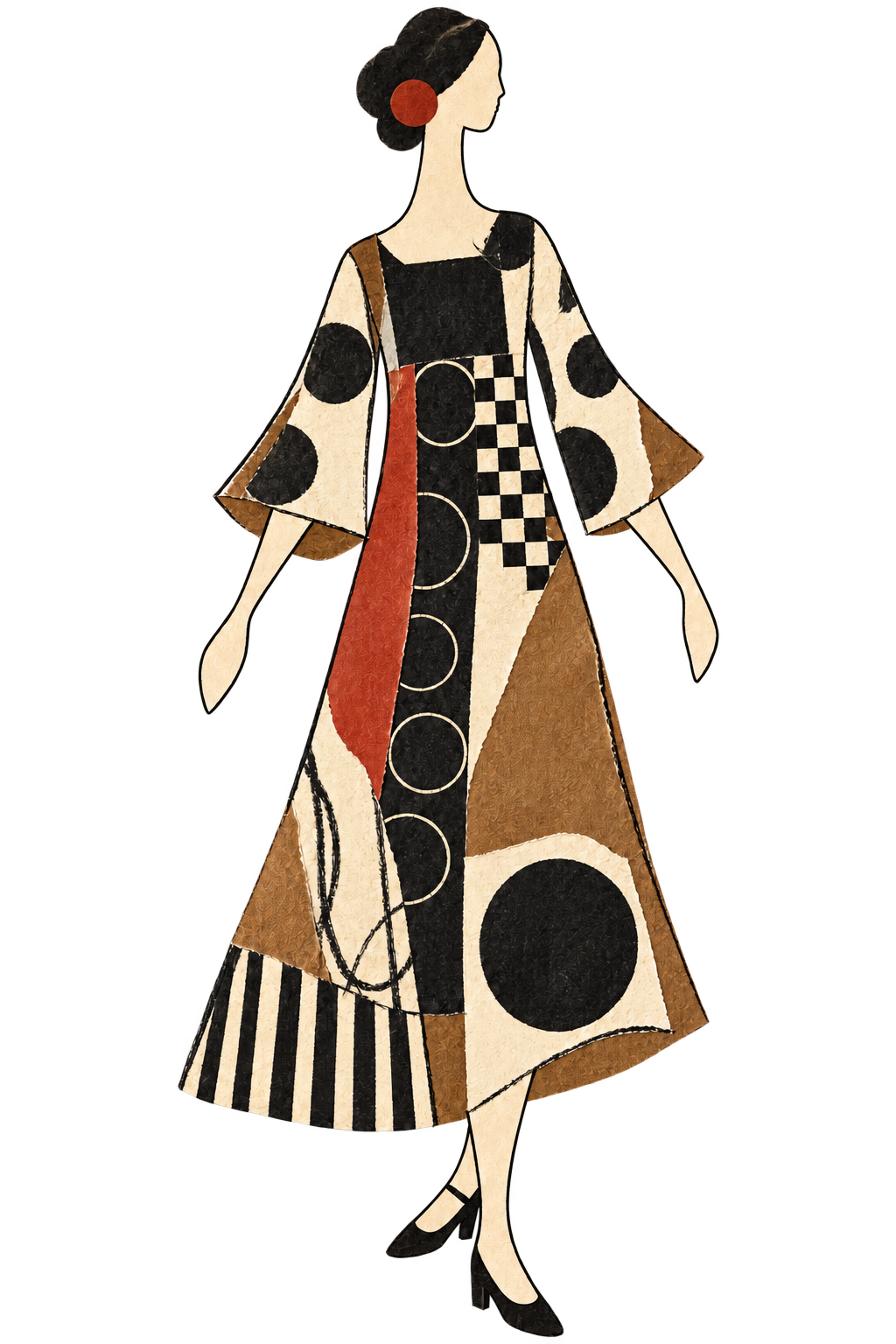
Start with the garment
The first action takes place on the dress and makes freedom of movement visible.
 Salon FormatAll projects
Work in progress · Working prototype
A digital museum prototype about clothing, movement and Emilie Flöge’s work.
The design question
Visitors explore how cut, material and weight change the way a body can move. The experience introduces Emilie Flöge through her work as a fashion designer and business owner.
Learning approach
Begin with a body held tightly by fabric.
Pull a drawstring and make space visible.
Connect the physical change to Vienna around 1900.
Explore material, cut and business inside Schwestern Flöge.
Experiment with width, weight and layers.
Recognise movement as a design decision.
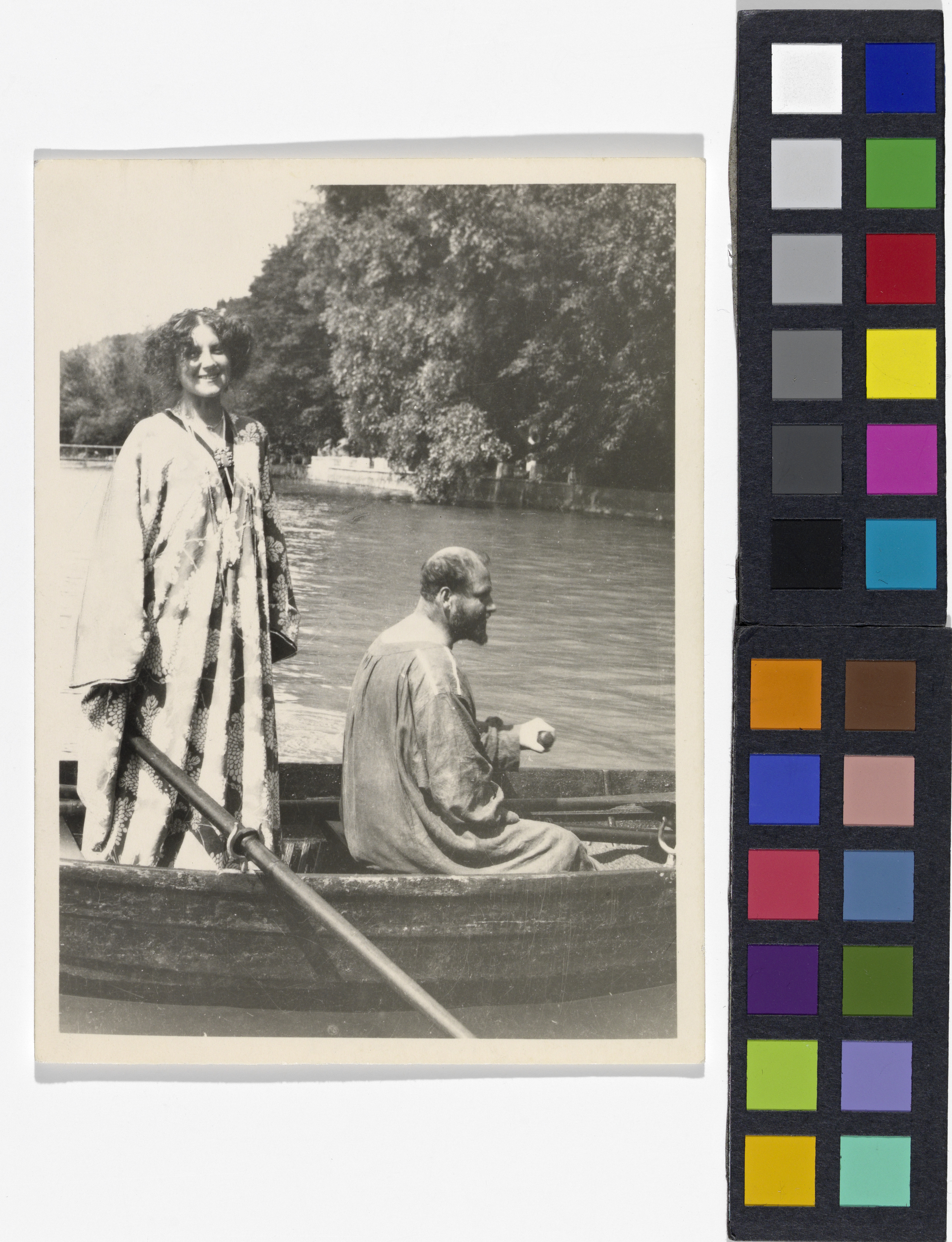
From archive to interaction
The experience combines historical material, spatial exploration and direct interaction. Visitors can see how a change in material or cut affects the garment.
Key design decisions
The first action takes place on the dress and makes freedom of movement visible.
Three traces introduce material, construction and the work behind the business.
A digital fashion studio lets visitors test how width, weight and layers change movement.
The prototype includes German, English and French, sound controls and a reduced-motion option.
Role and contribution
The prototype is still being refined. The current version contains the full journey and its central interactions. Evaluation and feedback will be documented as the project develops.