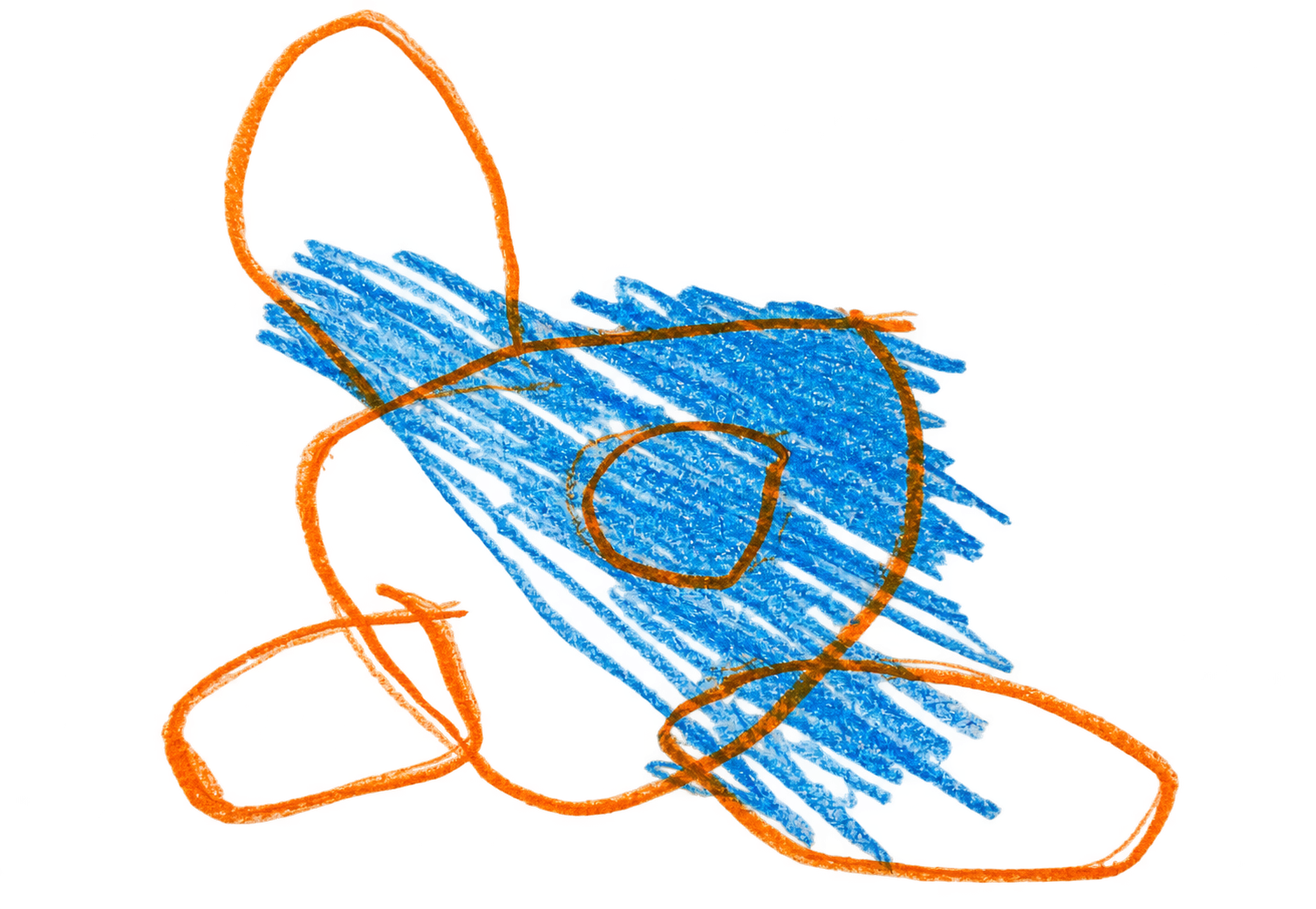
A real drawing
Elio’s original creature remains at the centre, so the learning begins with a child’s own idea.
 Salon FormatAll projects
Interactive learning experience
A child’s drawing becomes a journey through ocean habitats, animal senses and food.
The starting point
Elio was four when he drew an imaginary creature and decided it lived in the ocean. The experience takes that idea seriously and turns it into a question learners can investigate.
Experience flow
Move through an illustrated underwater environment and notice what changes with depth.
Use Elio’s creature as the starting point for a real investigation.
Consider habitat, senses and food to decide what an ocean animal needs.
Connect each observation back to the original drawing.
Create a new creature and give it features that suit its ocean home.
Review the design through the same questions used during the journey.
The learning environment
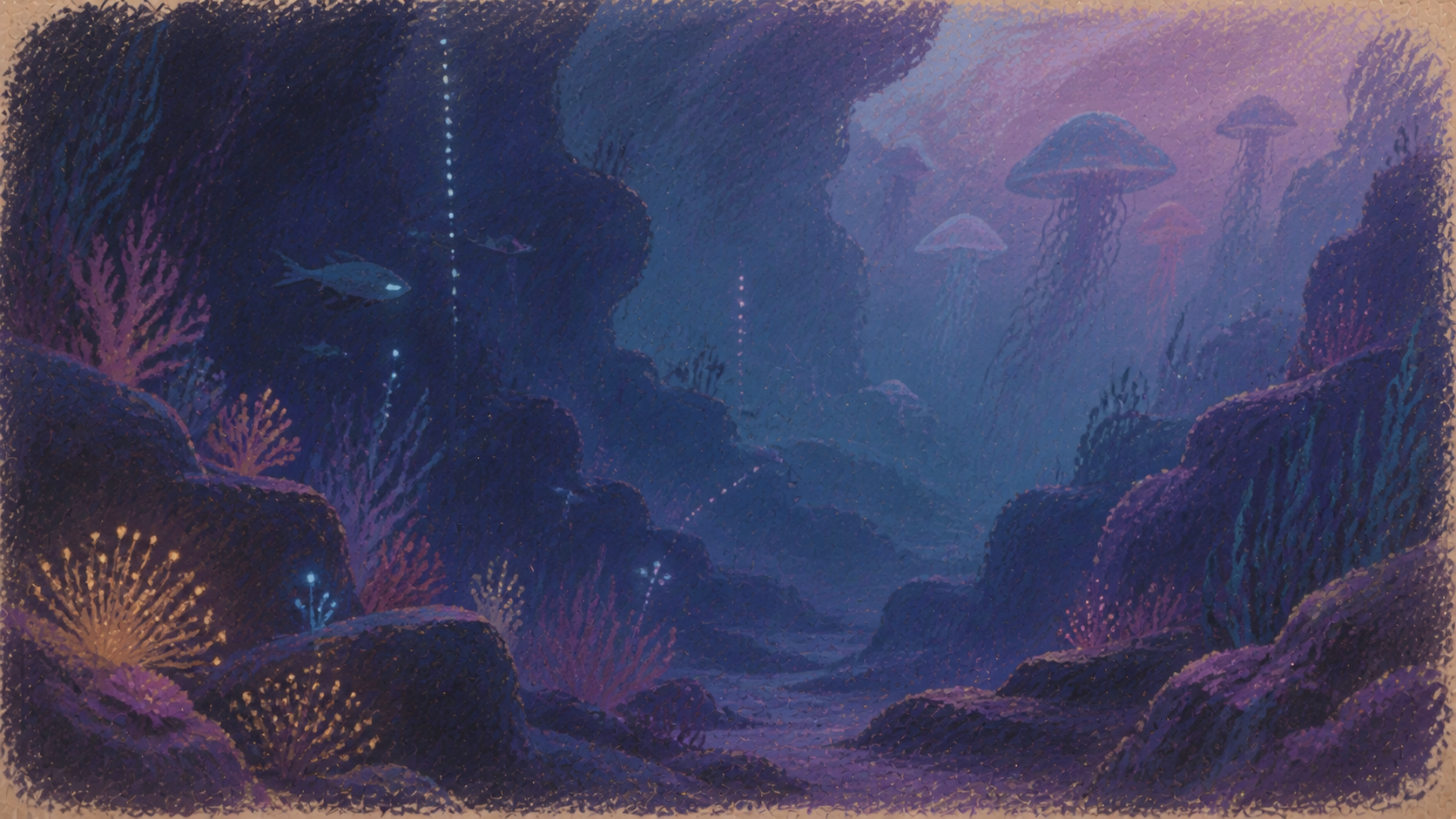
The visual world makes the ocean feel worth exploring, while the questions give learners a clear way to examine what they see.
Design choices
Elio’s original creature remains at the centre, so the learning begins with a child’s own idea.
The experience invites learners to notice, compare and decide before explaining the science.
Layered ocean scenes turn movement through depth into part of the learning experience.
The final drawing and ocean check let learners apply the investigation to a creature of their own.
Role and contribution
I developed the learning journey, narrative, visual direction and interactions around Elio’s original drawing. The public version is available in German, English and French, with controls for sound and motion.